

What is a Duo'ebao EPS Dome House and how is it different from regular container homes?
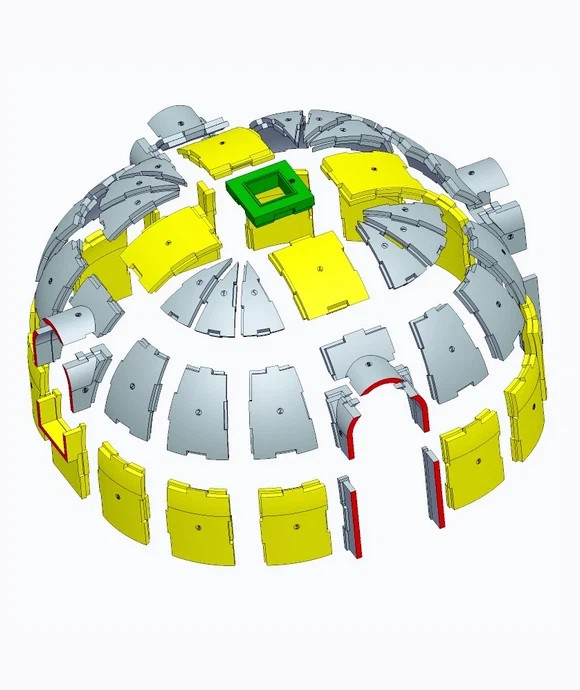
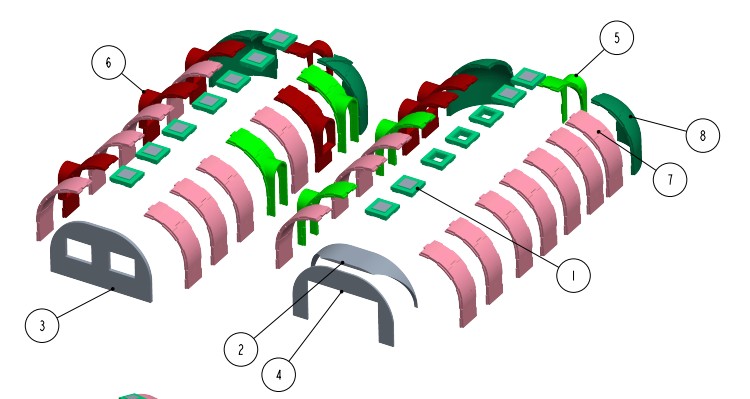
A Duo'ebao EPS Dome House is a prefabricated, low-rise dwelling built from 12 interlocking expanded polystyrene (EPS) modules—each 18 cm thick—steam-foamed into curved dome-shaped units. Unlike regular container homes, which repurpose steel shipping containers as structural shells, it uses lightweight, super-insulating EPS as the primary load-bearing and thermal envelope material, with no metal frame required for basic assembly.
This distinction matters because insulation performance, seismic behavior, wind resistance, and construction speed depend more on wall composition and geometry than on naming conventions. Before choosing either type, users should first assess whether their priority is rapid deployment in extreme climates, long-term energy cost reduction, or structural adaptability to uneven terrain—since these factors map directly to material and form choices.
How does the core structure differ between EPS dome houses and standard container homes?
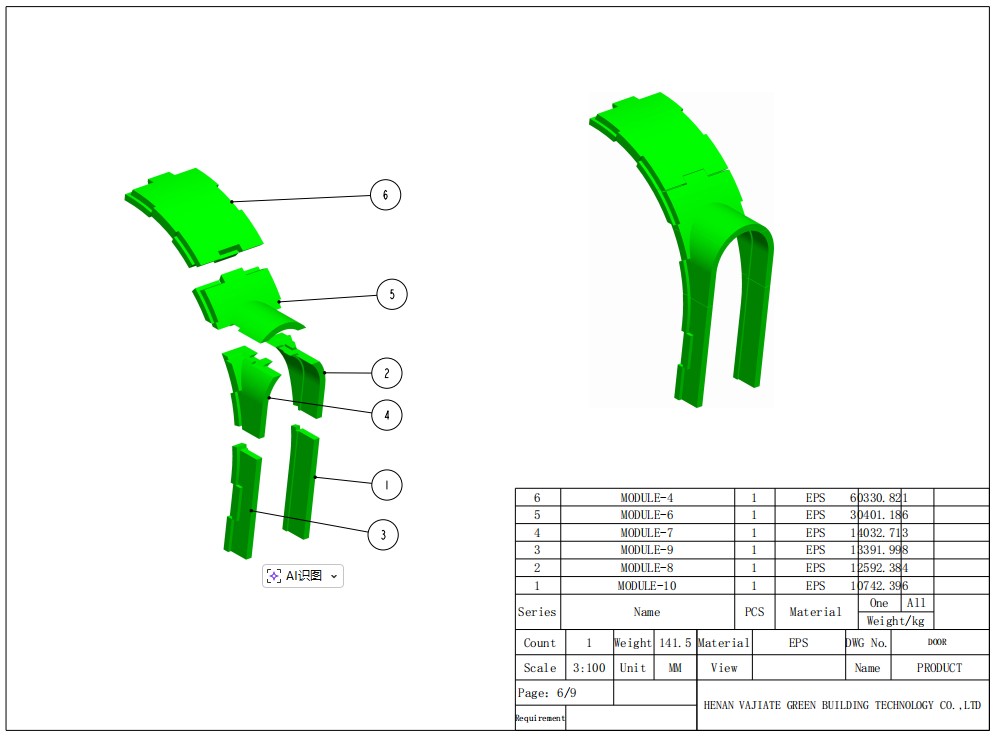
The core structural difference lies in load path and thermal continuity. Regular container homes rely on a rigid steel box as both structure and enclosure, requiring extensive modification for insulation, windows, and interior finishes. The Duo'ebao EPS Dome House uses molded EPS modules as both insulation and primary structural shell—curved geometry distributes lateral forces, and the monolithic foam body eliminates thermal bridging.
EPS modules are assembled dry, like large building blocks, without welding or cranes. Container homes require heavy lifting equipment, cutting, welding, and additional insulation layers applied externally or internally—introducing complexity, labor dependency, and potential condensation risks at junctions.
Whether this difference matters depends on site access, local labor availability, and climate severity. In remote or high-wind zones, the dome’s integrated strength and low weight may reduce logistical risk. In urban infill projects with crane access and skilled welders, container reuse may remain practical.
What are the key thermal and energy performance differences?
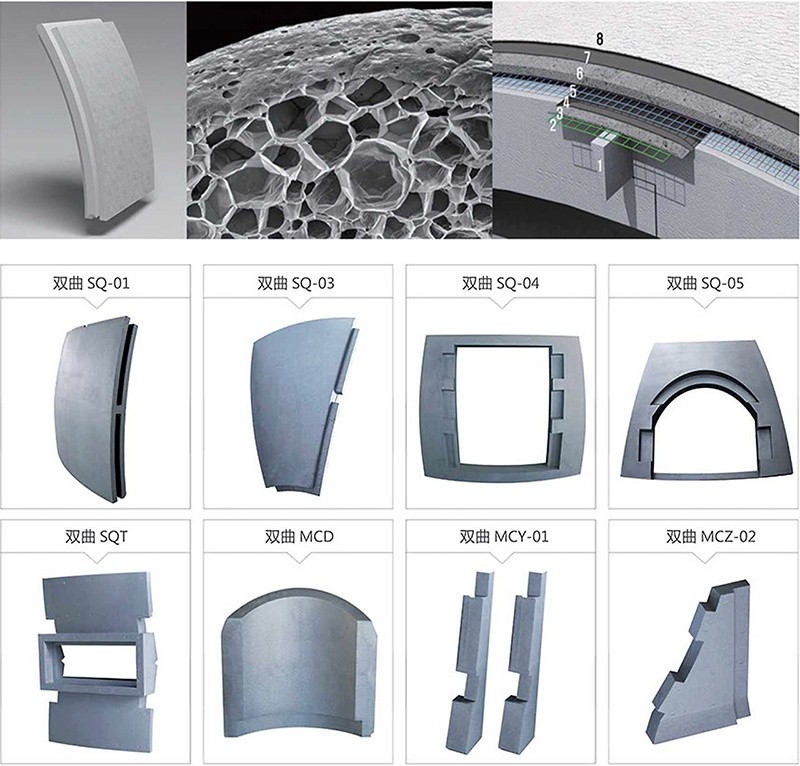
EPS dome houses achieve an insulation coefficient of 0.03 W/(m·K), verified by third-party testing. This value reflects the intrinsic property of graphite-modified EPS at 18 cm thickness—not an average U-value including framing or gaps. Standard container homes typically achieve whole-wall U-values between 0.25–0.45 W/(m·K), depending on added insulation method and quality of installation.
The dome design avoids thermal bridges entirely: there are no steel studs, corner posts, or window frames penetrating the insulation layer. Container homes inevitably introduce multiple thermal bridges unless fully wrapped with external insulation—a costly and weather-sensitive retrofit.
If energy savings or passive house compliance is a project goal, then continuous insulation performance becomes a decisive factor. However, if the building will be used seasonally or heated only intermittently, the marginal benefit of ultra-low U-values may not justify the upfront system difference.
How do construction timelines and skill requirements compare?
Assembly of a Duo'ebao EPS Dome House requires no specialized trades—workers follow numbered module sequences (1 through 12) and apply mortar, mesh, and plaster in standard finishing steps. No welding, cutting, or structural engineering certification is needed onsite. A basic unit can be assembled in under one week by unskilled labor.
Regular container homes require certified welders, crane operators, and often structural engineers to approve modifications—especially for multi-story stacking or cantilevered additions. Site prep, foundation alignment, and utility integration also tend to take longer due to heavier components and tighter tolerances.
This difference is most consequential where skilled labor is scarce or time-to-occupancy is contractually critical—such as military deployments, disaster relief, or short-term tourism infrastructure. For permanent residential use with ample lead time, traditional methods may offer more customization flexibility.
What certifications and real-world use cases validate these differences?
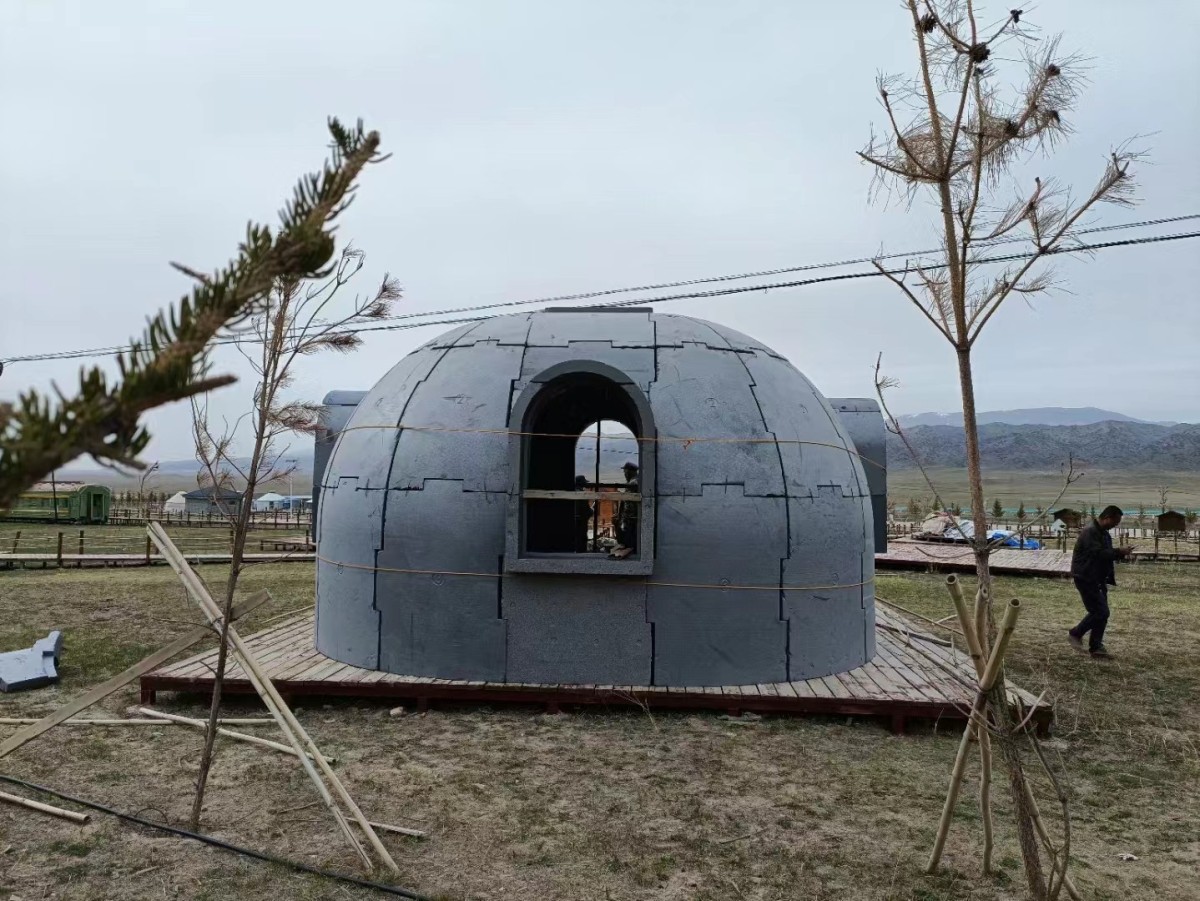
Duo'ebao EPS Dome Houses carry CE, SGS, and MSDS certifications, and their B1 flame-retardant EPS modules have been deployed across 15+ countries—including Japan, Sweden, Türkiye, Thailand, and Angola—in applications ranging from desert hotels and insulated mushroom greenhouses to military barracks and cultural tourism camps.
These installations confirm field viability under diverse climatic and regulatory conditions—but do not imply universal code acceptance. Local building authorities may require supplemental engineering reports for wind uplift, snow load, or fire separation—especially where dome geometry deviates from conventional roof slope assumptions.
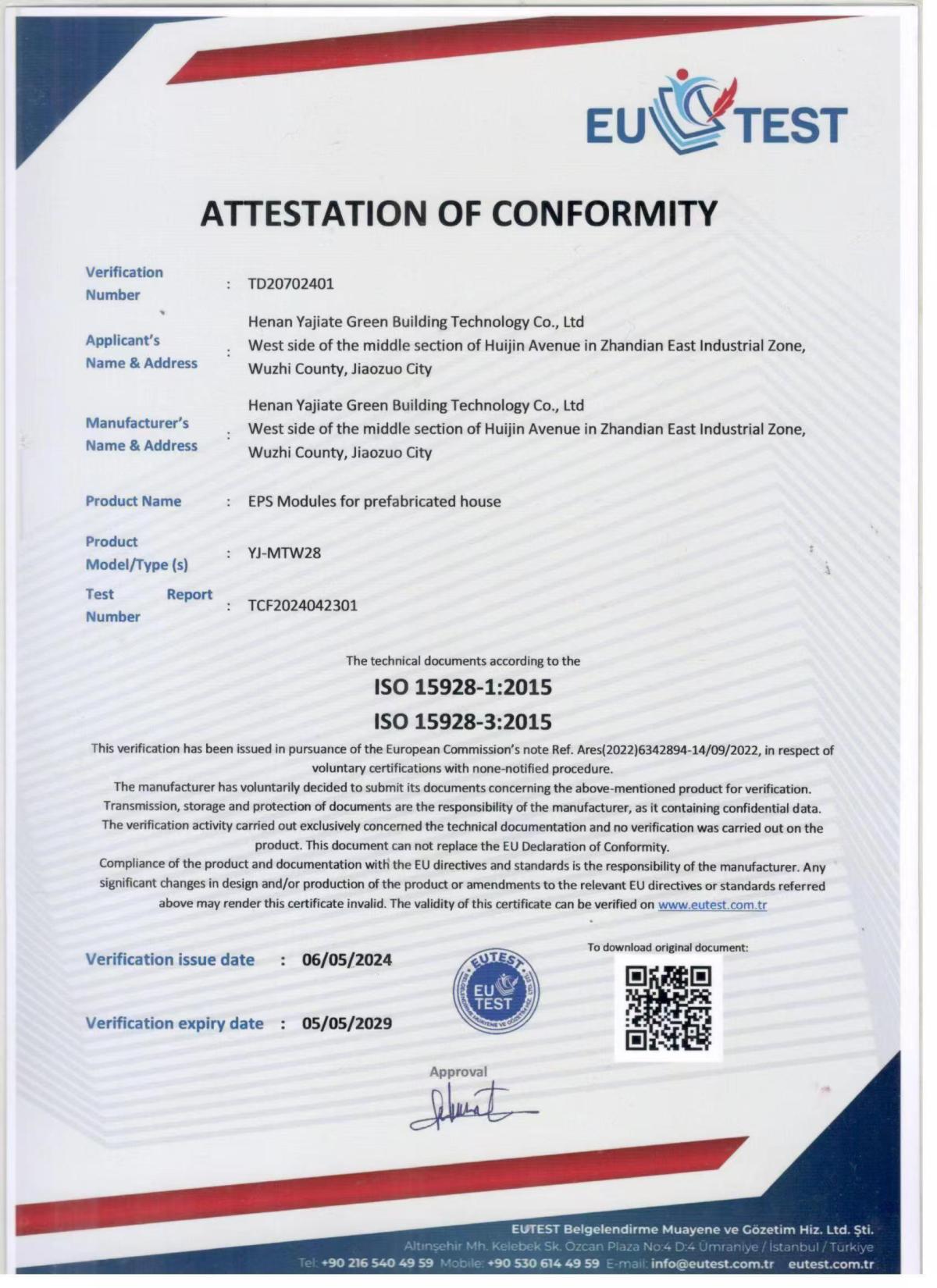
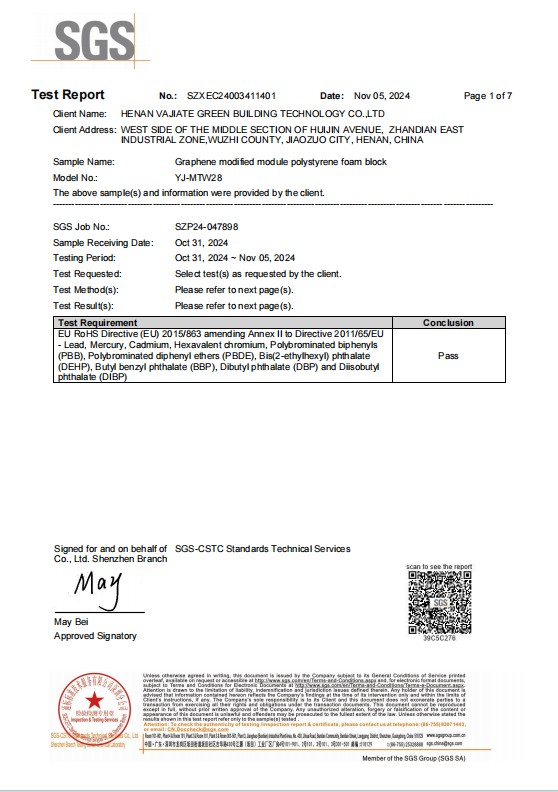
Whether certification suffices depends on jurisdiction. In many regions, CE marking supports self-declaration; in others—like parts of Canada or Italy—it serves only as supporting evidence alongside locally stamped calculations.
The table shows functional differences—not absolute superiority. Choice hinges on whether your site constraints, timeline, climate, and team capabilities align better with lightweight modularity or robust reusability.
If target users need fast-deploy, energy-efficient, low-skill housing in extreme climates, then the Duo'ebao EPS Dome House—built from patented, B1-rated, 18 cm EPS modules and validated across diverse international deployments—typically matches those needs more directly than modified shipping containers.
This alignment holds where long-term occupancy, passive energy goals, or terrain limitations make conventional framing or container reuse less adaptable. It does not mean the solution fits every context—especially where local codes require steel framing verification or where high-ceiling interior volumes are non-negotiable.
Decision checklist before proceeding
- If your project must achieve sub-0.05 W/(m·K) insulation performance without complex external cladding, then EPS dome construction is technically more direct than retrofitting containers.
- If skilled welders or crane access are unavailable onsite, and assembly must begin within 72 hours of delivery, then dry-stack EPS modules reduce dependency on specialty labor.
- If local building authorities require stamped structural drawings for non-standard geometries, then budget time and fees for third-party review—even with CE and SGS documentation.
- If the intended use exceeds 50 years or includes high-moisture environments like greenhouses, then verify compatibility of polymer anti-cracking plaster mortar with local humidity cycles.
- If you plan to expand or reconfigure later, note that EPS modules are designed for fixed dome geometry—modifications after plastering require cutting and resealing, unlike container walls which allow easier penetration.
Start by confirming whether your jurisdiction accepts CE-marked prefabricated systems as compliant with local structural and fire safety provisions—this single step determines feasibility more than any other.
Leave A Message
CONTACT US
Call Us: +86-188-8888-8888
E-mail: name@email.com
Address: The address of the company is 88 provincial street